fertilizer
Common Signs of Nutrient Deficiency in Crops: Symptoms, Causes, and Correction Strategies

Mustashar Team
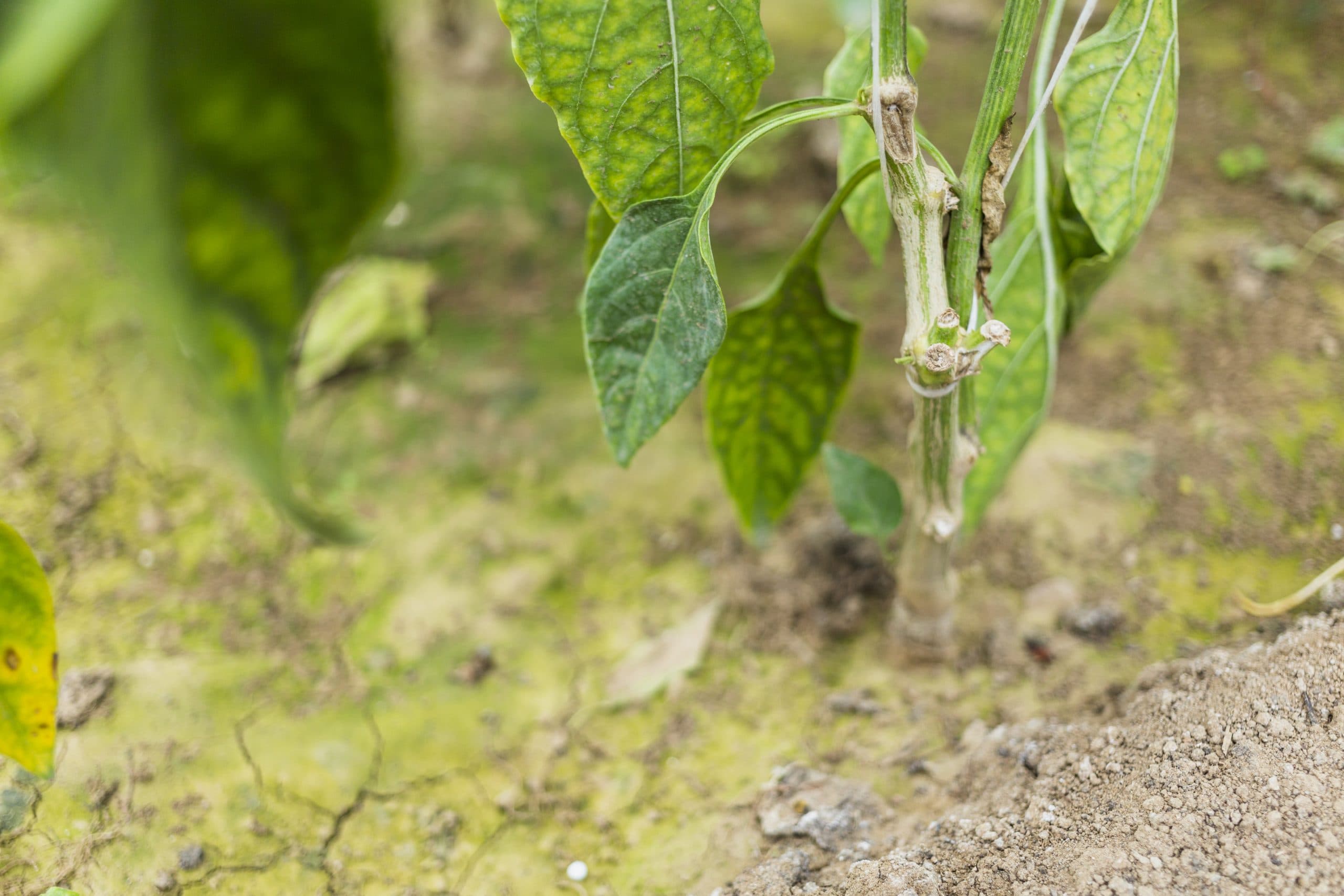
Understanding crop nutrient deficiency symptoms and correction is essential for achieving high yields, maintaining soil health, and reducing input costs in modern agriculture. Nutrient deficiencies can silently limit crop performance long before visible damage appears, making early diagnosis a critical skill for farmers, agronomists, and serious gardeners.
This in-depth guide explains the most common macro- and micronutrient deficiencies in crops, how to identify them accurately, and the most effective correction strategies using fertilizers, soil amendments, and improved nutrient management practices.
Why Nutrient Deficiencies Occur in Crops
Nutrient deficiencies are not always caused by low nutrient levels in soil. In many cases, nutrients are present but unavailable to plants due to environmental or management factors.
- Poor soil pH (acidic or alkaline soils)
- Low organic matter content
- Soil compaction or poor drainage
- Imbalanced fertilizer application
- Cold or waterlogged soil conditions
Identifying the specific deficiency is critical because incorrect fertilizer use can worsen the problem and increase production costs.
Macronutrient Deficiency Symptoms in Crops
Nitrogen (N) Deficiency in Crops
Nitrogen is the most commonly deficient nutrient and is essential for vegetative growth and chlorophyll production.
Key symptoms:
- Uniform yellowing of older leaves
- Stunted plant growth
- Thin stems and reduced tillering in cereals
- Early maturity and reduced yield
Correction strategies:
- Apply nitrogen fertilizers such as urea, ammonium sulfate, or calcium ammonium nitrate
- Split nitrogen applications to reduce leaching losses
- Incorporate organic manures or cover crops
Phosphorus (P) Deficiency Symptoms
Phosphorus plays a crucial role in root development, flowering, and energy transfer within the plant.
Visual indicators:
- Dark green or purplish discoloration of leaves
- Poor root growth
- Delayed flowering and maturity
- Weak early plant establishment
How to correct phosphorus deficiency:
- Use phosphorus fertilizers like DAP, MAP, or single super phosphate
- Apply phosphorus near the root zone
- Maintain soil pH between 6.0 and 7.0 for optimal availability
Potassium (K) Deficiency in Plants
Potassium regulates water balance, enzyme activation, and stress tolerance in crops.
Common symptoms:
- Yellowing or scorching at leaf margins
- Weak stalks and lodging
- Reduced disease resistance
- Poor fruit quality and size
Correction methods:
- Apply muriate of potash (KCl) or sulfate of potash
- Use soil testing to avoid over-application
- Incorporate crop residues to recycle potassium
Secondary Macronutrient Deficiencies
Calcium (Ca) Deficiency
Calcium deficiency primarily affects new growth and fruit development.
- Blossom end rot in tomatoes and peppers
- Deformed young leaves
- Weak root systems
Correction: Apply gypsum, lime, or calcium nitrate depending on soil pH.
Magnesium (Mg) Deficiency
Magnesium is a central component of chlorophyll.
- Interveinal chlorosis on older leaves
- Leaf curling and premature leaf drop
Correction: Use magnesium sulfate (Epsom salt) or dolomitic lime.
Sulfur (S) Deficiency
Sulfur deficiency is increasingly common due to reduced atmospheric deposition.
- Yellowing of younger leaves
- Thin stems and delayed maturity
Correction: Apply ammonium sulfate or elemental sulfur.
Micronutrient Deficiency Symptoms in Crops
Iron (Fe) Deficiency
Iron deficiency is common in high pH or calcareous soils.
- Interveinal chlorosis in young leaves
- Severe cases show almost white leaves
Correction: Use chelated iron fertilizers and adjust soil pH.
Zinc (Zn) Deficiency
Zinc plays a role in enzyme activity and hormone production.
- Shortened internodes
- Small, distorted leaves
- White or yellow striping
Correction: Apply zinc sulfate or chelated zinc formulations.
Boron (B) Deficiency
Boron is critical for cell wall formation and reproductive growth.
- Cracked stems and hollow tissues
- Poor flower and fruit set
- Death of growing points
Correction: Apply borax or boronated fertilizers carefully to avoid toxicity.
Using Soil and Tissue Testing for Accurate Diagnosis
Visual symptoms alone can be misleading, as different nutrient deficiencies often look similar. Soil and plant tissue testing provides precise data to guide fertilizer recommendations.
- Soil tests identify nutrient availability and pH
- Leaf analysis confirms nutrient uptake issues
- Prevents unnecessary fertilizer expenses
Best Practices for Preventing Nutrient Deficiencies
Prevention is more cost-effective than correction. Implementing integrated nutrient management improves crop productivity and soil sustainability.
- Conduct regular soil testing
- Apply balanced fertilizers based on crop requirements
- Use organic matter to improve nutrient retention
- Rotate crops to reduce nutrient depletion
- Monitor irrigation and drainage
Final Thoughts: Managing Crop Nutrient Deficiencies Effectively
Recognizing common signs of nutrient deficiency in crops allows producers to take timely corrective action, protect yield potential, and optimize fertilizer investments. A combination of visual diagnosis, soil testing, and targeted nutrient application is the most reliable strategy for long-term crop health.
Whether you are a commercial farmer, agronomist, or advanced gardener, mastering crop nutrient deficiency symptoms and correction can significantly improve productivity while supporting sustainable agricultural practices.
Found this article helpful?
Explore more insights and tips on our blog