fertilizer
How Excess Fertilizer Affects Soil and Groundwater

Mustashar Team
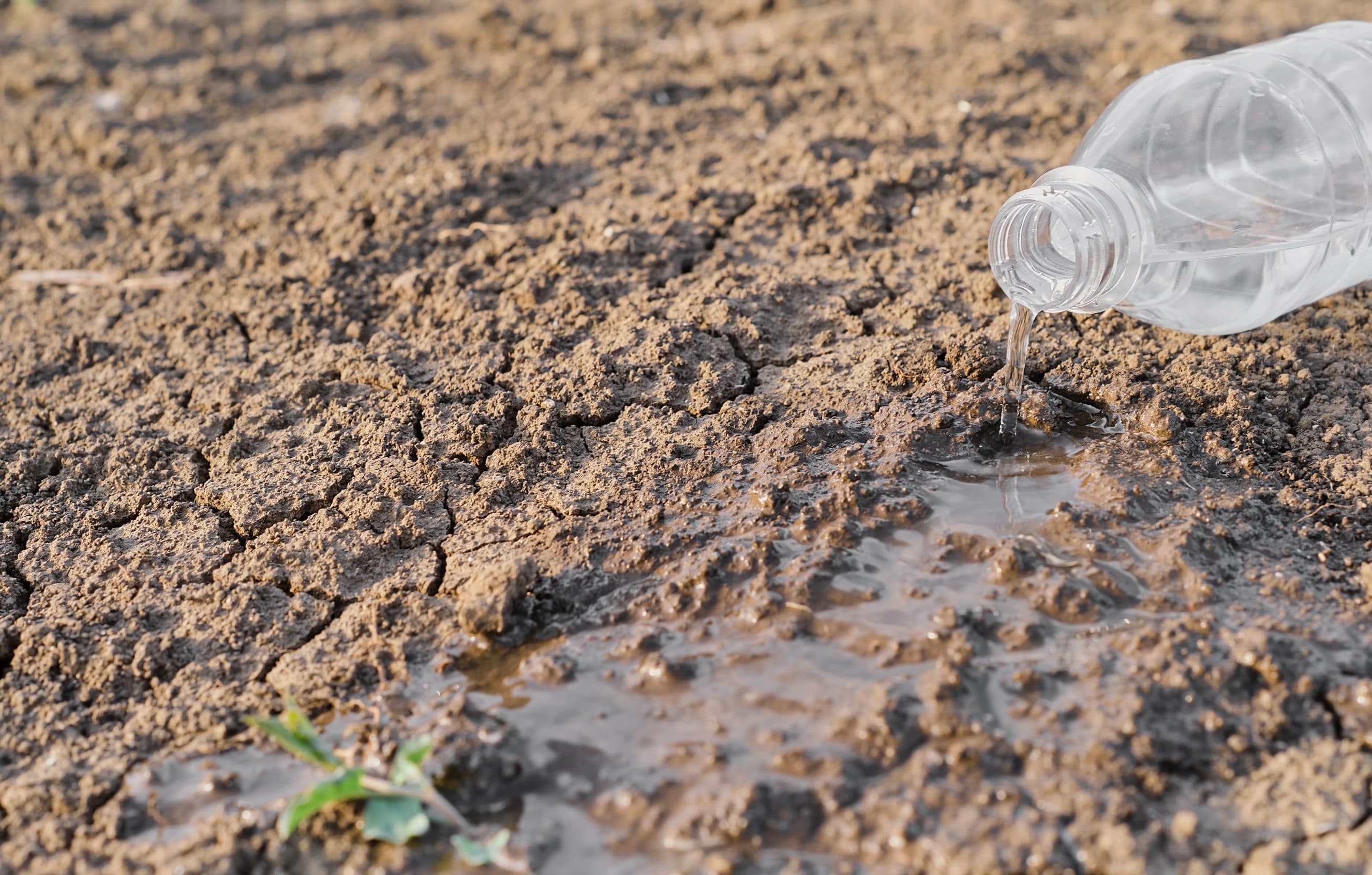
Fertilizers play a critical role in modern agriculture and gardening by boosting crop yields and improving plant health. However, the effects of excess fertilizer on soil and groundwater are increasingly becoming a serious environmental, economic, and regulatory concern. When fertilizers are overapplied or mismanaged, nutrients such as nitrogen and phosphorus can disrupt soil biology, contaminate groundwater, and contribute to long-term land degradation.
This article explains how excessive fertilizer use impacts soil systems and groundwater resources, why it matters for farmers and land managers, and how sustainable fertilizer management practices can prevent nutrient loss while protecting yields.
Understanding Excess Fertilizer Use
Excess fertilizer refers to nutrients applied beyond what plants can absorb during a growing season. These unused nutrients remain in the soil or move beyond the root zone, where they can cause environmental harm.
Over-fertilization commonly occurs due to:
- Applying fertilizer without soil testing
- Using uniform application rates across variable soils
- Overestimating crop nutrient requirements
- Improper timing of fertilizer applications
- Heavy rainfall or irrigation shortly after fertilization
While fertilizers are designed to improve productivity, mismanagement increases the risk of nutrient runoff and leaching.
Effects of Excess Fertilizer on Soil Health
Soil Nutrient Imbalance
Healthy soil depends on balanced nutrient availability. Excessive fertilizer disrupts this balance by saturating the soil with specific nutrients, particularly nitrogen and phosphorus. This imbalance reduces the availability of micronutrients such as zinc, iron, and manganese.
As a result, crops may show nutrient deficiency symptoms even in heavily fertilized fields.
Soil Acidification
Repeated application of nitrogen-based fertilizers, especially ammonium and urea products, accelerates soil acidification. Lower soil pH affects:
- Microbial activity
- Root development
- Nutrient uptake efficiency
Acidic soils often require costly lime applications to restore productivity.
Reduced Soil Biological Activity
Soil microorganisms are essential for nutrient cycling and organic matter decomposition. Excess fertilizer can suppress beneficial microbes while encouraging harmful ones.
This disruption weakens soil structure, reduces organic matter stability, and lowers long-term soil fertility.
Soil Compaction and Structural Damage
High salt concentrations from excessive fertilizer use increase soil compaction and reduce water infiltration. Compacted soils limit root growth and increase surface runoff, further accelerating nutrient loss.
How Excess Fertilizer Contaminates Groundwater
Nitrogen Leaching into Groundwater
One of the most serious effects of excess fertilizer on soil and groundwater is nitrate leaching. Nitrates are highly mobile in soil and easily move below the root zone into groundwater.
Groundwater nitrate contamination is linked to:
- Unsafe drinking water
- Blue baby syndrome (methemoglobinemia)
- Increased water treatment costs
Agricultural regions with sandy soils or shallow water tables face the highest risk.
Phosphorus Movement Through Soil
Although phosphorus binds more tightly to soil particles, excessive applications increase the risk of subsurface transport through cracks, macropores, and tile drainage systems.
Once phosphorus enters groundwater or surface water, it contributes to eutrophication and harmful algal blooms.
Long-Term Groundwater Degradation
Unlike surface water pollution, groundwater contamination is extremely difficult and expensive to reverse. Nutrients may persist in aquifers for decades, even after fertilizer application rates are reduced.
This creates long-term liability risks for agricultural producers and landowners.
Environmental and Economic Consequences
Water Quality Regulations and Compliance Costs
Governments worldwide are tightening regulations on nutrient runoff and groundwater contamination. Excess fertilizer use increases the risk of:
- Regulatory fines
- Mandatory nutrient management plans
- Restricted fertilizer application periods
Compliance failures can significantly raise operational costs for farms and landscaping businesses.
Yield Losses and Input Waste
Contrary to common belief, more fertilizer does not equal higher yields. Over-fertilization often leads to:
- Excess vegetative growth
- Weaker root systems
- Increased pest and disease pressure
Unused fertilizer represents wasted input costs and reduced return on investment.
How Excess Fertilizer Affects Surface Water Systems
Excess nutrients lost from soil frequently reach nearby rivers, lakes, and reservoirs through runoff and erosion.
This causes:
- Algal blooms
- Oxygen depletion
- Fish kills
- Loss of aquatic biodiversity
These impacts damage ecosystems and threaten recreational and drinking water sources.
Sustainable Fertilizer Management Practices
Soil Testing and Precision Agriculture
Regular soil testing is the foundation of sustainable nutrient management. Precision agriculture technologies allow farmers to apply fertilizer only where and when it is needed.
Benefits include:
- Reduced nutrient losses
- Lower fertilizer costs
- Improved crop performance
Split and Timed Applications
Applying fertilizer in smaller doses throughout the growing season improves nutrient uptake efficiency and minimizes leaching.
Timing applications to coincide with peak crop demand significantly reduces groundwater contamination risks.
Use of Enhanced Efficiency Fertilizers
Slow-release fertilizers, nitrification inhibitors, and stabilized nitrogen products reduce nutrient losses and improve fertilizer efficiency.
These products are particularly effective in regions prone to heavy rainfall or irrigation.
Cover Crops and Buffer Zones
Cover crops capture residual nutrients after harvest and prevent leaching during fallow periods. Vegetated buffer zones reduce runoff and protect nearby water bodies.
Best Practices for Farmers and Land Managers
- Match fertilizer rates to realistic yield goals
- Monitor weather forecasts before application
- Calibrate application equipment regularly
- Maintain soil organic matter levels
- Document nutrient applications for compliance
These practices protect soil health, groundwater quality, and long-term farm profitability.
Conclusion: Protecting Soil and Water Through Responsible Fertilizer Use
The effects of excess fertilizer on soil and groundwater extend far beyond individual fields. Over-fertilization damages soil structure, disrupts biological systems, contaminates groundwater, and creates economic and regulatory challenges.
By adopting science-based nutrient management strategies, farmers, gardeners, and land managers can reduce environmental risks while maintaining productivity. Sustainable fertilizer use is not only an environmental responsibility, but it is also a smart investment in soil health, water security, and long-term agricultural success.
Found this article helpful?
Explore more insights and tips on our blog