fertilizer
How Regenerative Agriculture Improves Soil Over Time

Mustashar Team
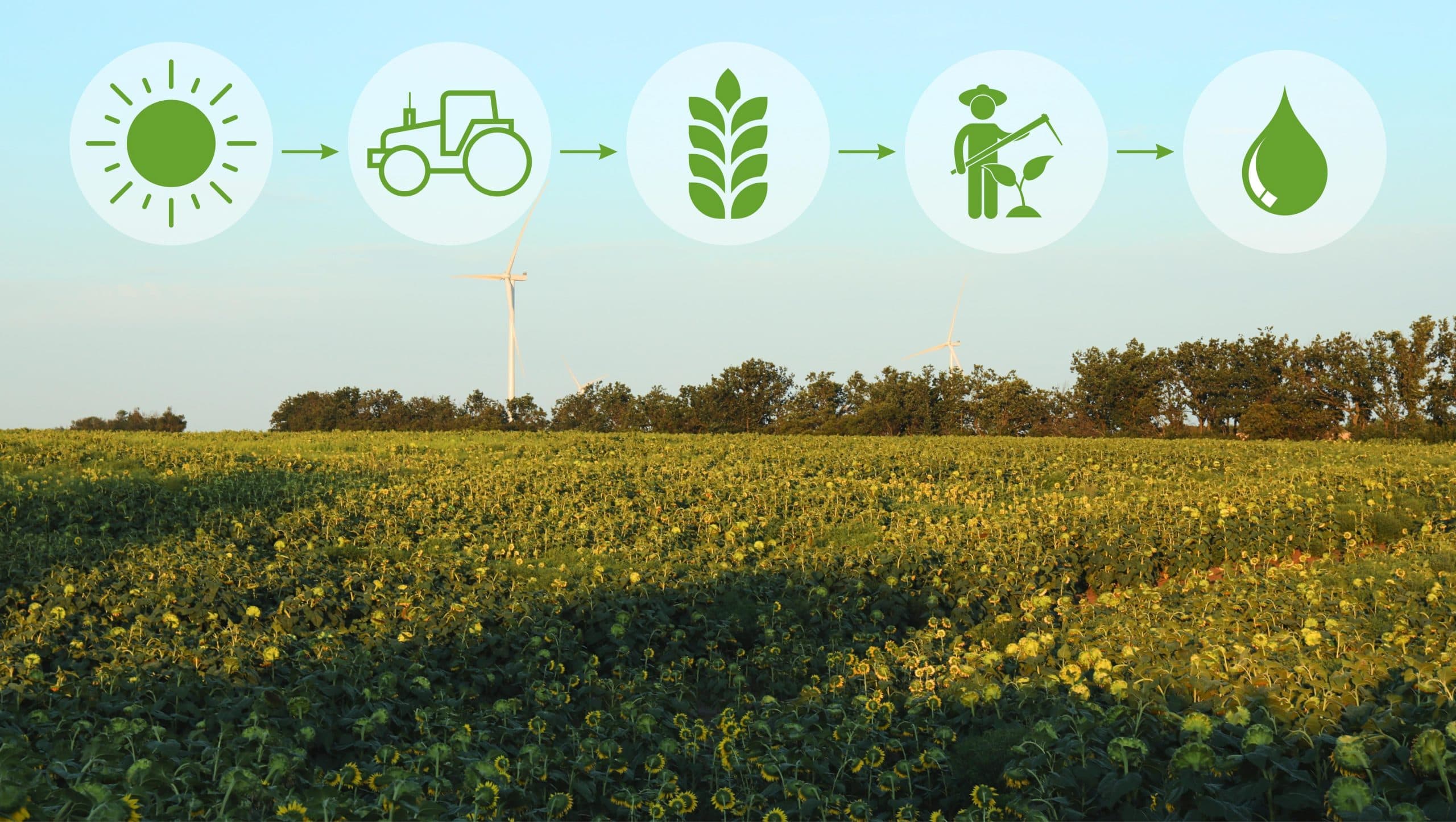
Regenerative agriculture is gaining global attention as a sustainable way to produce food while restoring ecosystems. One of its biggest benefits is better soil health over time. Unlike conventional farming methods that often harm the soil, regenerative agriculture uses techniques that build organic matter, improve soil biodiversity, and increase resilience to climate change. In this article, we will explore how regenerative agriculture improves soil quality over time and why it is important for long-term environmental sustainability.
What Is Regenerative Agriculture?
Regenerative agriculture is a farming system that aims to restore the health of soil, ecosystems, and communities. While traditional agriculture focuses on short-term yields, regenerative agriculture prioritizes long-term sustainability and resilience. Key principles include minimal soil disturbance, maintaining permanent soil cover, diversifying crops, integrating livestock, and promoting biodiversity.
Unlike conventional methods that often depend on chemical fertilizers, pesticides, and monoculture crops, regenerative practices align with nature. The goal is to restore natural processes that enhance soil fertility and structure while capturing carbon from the atmosphere.
The Role of Soil in Agriculture
Healthy soil is the foundation of productive agriculture. Soil performs several critical functions, including:
- Providing nutrients: Soil stores and cycles essential nutrients required for plant growth.
- Water retention: Healthy soil can absorb and retain water, reducing the need for irrigation.
- Supporting biodiversity: Soil is home to countless organisms, from microbes to insects, which contribute to nutrient cycling and pest control.
- Carbon sequestration: Soil stores carbon, helping mitigate climate change by removing carbon dioxide from the atmosphere.
When soil health declines due to erosion, compaction, or loss of organic matter, agricultural productivity decreases, and ecosystems become less resilient.
How Regenerative Agriculture Improves Soil Over Time
Regenerative agriculture employs several practices that collectively enhance soil health. Over time, these methods create a resilient, nutrient-rich soil environment capable of supporting diverse crops and ecosystems.
1. Increasing Soil Organic Matter
One of the most direct ways regenerative agriculture improves soil is by increasing soil organic matter (SOM). Practices such as cover cropping, compost application, and leaving crop residues on the field add organic materials to the soil. Organic matter improves soil structure, enhances water retention, and provides a habitat for soil microbes.
For example, a study by the USDA Natural Resources Conservation Service found that fields managed with regenerative practices showed a 20–30% increase in SOM over ten years compared to conventional fields. Higher SOM levels also increase the soil’s cation exchange capacity, which helps plants access essential nutrients more efficiently.
2. Promoting Soil Microbial Diversity
Healthy soil is teeming with life, from bacteria and fungi to earthworms and nematodes. Regenerative practices such as crop rotation, polyculture, and reduced tillage promote microbial diversity. Microbes play a crucial role in nutrient cycling, decomposing organic matter, fixing nitrogen, and suppressing plant diseases.
By fostering a rich microbial ecosystem, regenerative agriculture ensures that soil remains productive without excessive chemical inputs. Over time, this microbial activity improves soil fertility and resilience, making crops less dependent on synthetic fertilizers.
3. Reducing Soil Erosion
Soil erosion poses a significant threat to agricultural productivity. Regenerative techniques such as cover cropping, contour farming, and no-till practices are effective in protecting the soil surface. The plants and their root systems help anchor the soil in place, while cover crops mitigate the impact of rainfall and wind erosion.
Over time, reducing erosion helps preserve topsoil, which contains most of the soil’s nutrients and organic matter. Maintaining topsoil is essential for ensuring long-term soil fertility and improving crop yields.
4. Enhancing Water Retention and Soil Structure
Regenerative agriculture improves soil structure by increasing organic matter and minimizing compaction. Healthy soil has a crumb-like structure, which allows water and air to penetrate more effectively. Improved soil structure reduces runoff, enhances water retention, and increases drought resilience.
For instance, regenerative practices can double the water-holding capacity of the soil in some regions, reducing the need for irrigation and supporting crops during dry spells. Over time, well-structured soil reduces vulnerability to flooding and waterlogging.
5. Carbon Sequestration
Soil is a major carbon sink, and regenerative agriculture helps increase its capacity to store carbon. Practices like agroforestry, cover cropping, and reduced tillage enhance soil carbon levels. When plants photosynthesize, they draw carbon dioxide from the atmosphere and transfer some of it to the soil through roots and decaying plant material.
By increasing soil carbon, regenerative agriculture not only improves soil fertility but also contributes to climate change mitigation. Research from the Soil Science Society of America shows that regenerative farming systems can sequester up to 1–3 tons of carbon per hectare annually.
Key Regenerative Practices That Improve Soil
Several core regenerative agriculture practices directly enhance soil health over time:
1. Cover Cropping
Cover crops like clover, rye, and legumes are planted during off-seasons to protect and enrich the soil. They help prevent erosion, enhance soil structure, fix nitrogen, and add organic matter. Over time, using cover crops reduces the need for chemical fertilizers and promotes a healthy microbial ecosystem.
2. No-Till Farming
No-till or reduced-till farming practices significantly reduce the disturbance of soil, creating a more stable and resilient agricultural ecosystem. By leaving crop residues on the surface, farmers create a protective barrier that safeguards the soil against the ravages of erosion while also preserving vital organic matter. These innovative no-till techniques foster a thriving microbial community, which plays a crucial role in maintaining soil health. Furthermore, they enhance water infiltration, allowing moisture to seep deep into the ground where it’s needed most, and improve soil structure, contributing to a more fertile and sustainable foundation for future crops.
3. Crop Rotation and Polyculture
Rotating crops and planting multiple species together help prevent nutrient depletion and break pest and disease cycles. Diverse root systems contribute to soil structure, organic matter, and microbial diversity. Over time, crop rotation strengthens soil fertility and reduces the reliance on synthetic inputs.
4. Integrating Livestock
Managed grazing of livestock in regenerative systems mimics natural ecosystems. Livestock manure adds nutrients to the soil, while grazing stimulates plant growth and increases root biomass. Rotational grazing prevents overgrazing and promotes soil compaction recovery, further enhancing soil health.
5. Compost and Organic Amendments
Adding compost and other organic amendments increases soil organic matter and improves nutrient availability. Over time, repeated applications enhance microbial populations, soil structure, and water retention, creating fertile and resilient soil.
Long-Term Benefits of Regenerative Agriculture on Soil
Implementing regenerative agriculture has several long-term benefits for soil health, which ultimately support sustainable farming and food security.
1. Improved Soil Fertility
Through years of regenerative practices, soils accumulate more nutrients. Natural nutrient cycling, driven by the decomposition of organic matter and microbial activity, provides plants with essential elements such as nitrogen, phosphorus, and potassium. This approach reduces reliance on synthetic fertilizers and lowers overall input costs.
2. Enhanced Soil Biodiversity
Long-term regenerative practices cultivate a diverse soil ecosystem. Beneficial microbes, fungi, and soil fauna contribute to pest suppression, nutrient cycling, and disease resistance. A biodiverse soil is more resilient to environmental stressors and climate variability.
3. Increased Water Efficiency
Regenerative soils retain more water due to improved structure and higher organic matter content. This increases drought resilience and reduces irrigation needs. Over time, water efficiency contributes to more sustainable agriculture, especially in regions facing water scarcity.
4. Climate Change Mitigation
By sequestering carbon, regenerative agriculture helps mitigate climate change. Over decades, improved soil carbon levels can offset significant greenhouse gas emissions, creating a positive environmental impact while enhancing soil fertility.
5. Reduced Soil Degradation
The adoption of continuous regenerative practices serves as a robust defense against soil erosion, compaction, and the gradual depletion of vital nutrients. By promoting these methods, we can cultivate rich and vibrant soils that maintain their health and productivity over extended periods. This not only fosters a thriving agricultural ecosystem but also secures the foundation for long-term sustainability in farming, ensuring that future generations can reap the benefits of fertile and resilient land.
Challenges and Considerations
While regenerative agriculture offers numerous soil benefits, there are challenges that farmers must consider:
- Initial Costs: Transitioning to regenerative practices may require new equipment, seeds, or training.
- Learning Curve: Farmers must adapt to new management strategies and monitor soil health actively.
- Short-Term Yield Variability: Some regenerative practices may initially reduce yields until the soil ecosystem stabilizes.
However, research indicates that long-term benefits far outweigh initial challenges, with improved soil health, resilience, and reduced input costs.
Conclusion
Regenerative agriculture is an innovative farming approach that focuses on enhancing soil health, restoring ecosystems, and promoting long-term sustainability. This method aims to increase soil organic matter, diversify microbial life, reduce erosion, and improve water retention, leading to gradual improvements in soil quality over time.
The long-term advantages of regenerative practices include enhanced soil fertility, increased biodiversity, mitigation of climate change effects, and the development of more resilient agricultural systems.
For farmers, policymakers, and environmental advocates, investing in regenerative agriculture transcends mere agricultural practices; it represents a commitment to the future of our soil, food systems, and the health of the planet. By implementing these practices, we can secure healthy and fertile soils for future generations.
Found this article helpful?
Explore more insights and tips on our blog