Pest and Disease
Pest and Disease Control: The Ultimate Guide to a Healthy Garden

Mustashar Team
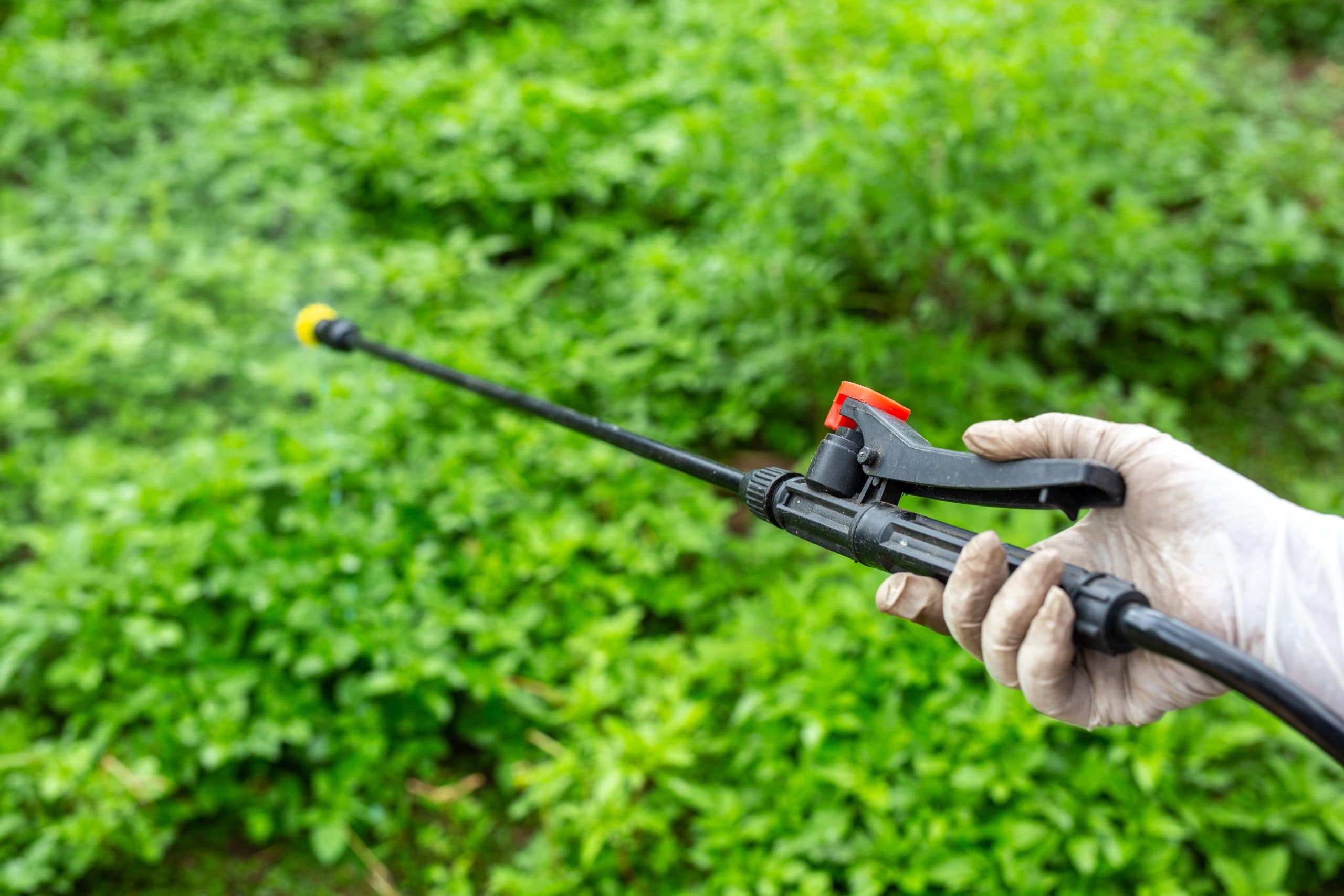
Creating a successful garden or farm involves more than just sunlight and water. Controlling pests and diseases is crucial for helping your plants thrive. Unwanted insects and fungi can significantly affect the health and productivity of your garden.
This guide offers different strategies to help you identify, prevent, and manage common garden problems. You will find useful information about Integrated Pest Management (IPM), an approach that emphasizes balance and sustainability. It also shares organic solutions that use nature to protect your garden and maintain its ecological health. Apply these techniques to make your gardening experience productive and eco-friendly.
Understanding Integrated Pest Management (IPM)
Between seedlings, disease, pests, weeds, and all the rest, managing a garden or farm can be a big job. When you discover aphids or some dubious fungus, your instinct is often to reach for the most powerful pesticide on the market. But using chemical sprays as your first line of defense is like trying to fix a leaky faucet in a house fire with a sledgehammer. It could work, but it could also create more muck.
Instead of elimination, your goal should change to developing management over what is going on in your environment. That is exactly what Integrated Pest Management (IPM) really stands for.
What is IPM, Exactly?
IPM is not just a trendy gardening phrase. It is a strategy based on ecological principles. Instead of isolating a pest, you consider the entire ecosystem. The aim is not to create a bug-free area (which is impossible), but to keep pest numbers low enough to avoid serious harm.
The Three Pillars of a Smarter Strategy
The Three Foundations of a More Astute Approach
IPM employs several techniques rather than depending on just one. This is how it operates:
Biological Control: This depends on the friends of nature. To help control pests, it involves promoting beneficial insects like predatory wasps, lacewings, and ladybugs. You run the risk of hurting these helpers if you spray carelessly.
Manipulation of Habitat: In some environments, pests flourish. You can make your garden less appealing to unwanted intruders by changing the environment, such as by rotating crops or improving soil drainage.
Cultural Practice Modification: This entails altering your gardening regimen. It involves making small changes like choosing pest-resistant plant varieties that are inherently more resilient or watering plants at the base to prevent mold.
Typical Garden Pests and How to Identify Them
Early detection is the first step in effective pest management. You can identify possible infestations in your garden before they become serious by checking it every day. Frequent inspections allow you to identify problems such as unwanted insects, leaf discolorations, or changes in plant health.
Aphids, which gather on new growth and feed on plant sap, and spider mites, which frequently form tiny webs on leaves, are common pests to watch out for. Keep an eye out for whiteflies, which cause wilting and yellowing, and caterpillars, which can swiftly consume foliage. Additionally, watch out for beetles that can harm flowers and leaves, like Japanese beetles. You can promptly handle pest issues and maintain the health and vibrancy of your garden by taking a watchful approach.
1. Aphids (Plant Lice)
The Garden’s Tiny Vampire
You’ve come across aphids if you see tiny, pear-shaped insects on your curling pepper leaves or rosebuds. These sap-suckers, sometimes referred to as “plant lice,” invade gardens. By puncturing your plants’ stems and consuming their nutrient-rich sap, you deplete their energy.
How to Spot an Infestation
Tacky Leaves: Aphids produce a sugary substance known as “honeydew.” They are probably infested if your leaves appear shiny or feel sticky.
Ant Bodyguards: If ants are on your plants, they’re not after the leaves. They are “farming” the aphids for their sweet honeydew.
Leaf Deformation: New growth is twisted, yellow, or stunted as aphids suck the life force out of the plant.
2. Spider Mites
If aphids are the bloodsucking “vampires” of the garden, sucking your plants’ juice while they’re still alive, the plant version of vampires in horror movies (which I don’t remember seeing any), spider mites actually kill your plant and live on its dead body, playing the role of garden ghost. These little bugs are so small in size that they usually escape the naked eye and are therefore almost invisible to the eye. However, the harmful effects they have on plants are so much more visible and cannot be ignored. Spider mites thrive in hot, dry conditions and are therefore a real nemesis for houseplants and gardens alike during the hottest months of summer when optimal breeding conditions abound.
How to Spot a “Ghost” Infestation
Look for indications of the mites’ presence, as they are barely visible without a magnifying glass:
Fine Webbing: The material on leaves and stems is delicate and resembles silk. It provides them with a route and a place to stay.
Stippling: Where mites have extracted chlorophyll from plant cells, tiny white or yellow dots on the leaves show this.
Dusty Leaves: You’re probably seeing mites and their eggs if the underside of a leaf appears to be covered in fine dust or salt.
IPM Strategy: Handling the Mites
Stressed, thirsty plants are preferred by spider mites. We have to change the environment to make it less desirable to get rid of them.
Raise the humidity because spider mites don’t like moisture. You can deter your plants by using a pebble tray or misting them frequently.
Extensive Cleaning: Give houseplants a shower or use a moist cloth to clean each leaf. The webs of outdoor plants can be washed away with a powerful water spray.
Insecticidal soap or neem oil are natural remedies that coat mites and prevent them from breathing. There are no toxic residues left in your soil from this focused approach.
Predatory Mites: Phytoseiulus permilles, a beneficial mite that feeds on spider mites without endangering your plants, is available for purchase.
In summary, spider mites frequently indicate that the air is stagnant or your plant is too dry. In order to solve the issue, the environment must be fixed.
3. Cabbage Loopers and Hornworms
Among the most damaging pests in the garden are hornworms and cabbage loopers. These larger larvae serve as the ecosystem’s demolition crew, in contrast to smaller pests that stealthily consume plant sap. Their appetite can quickly strip vegetables and greens of their leaves, turning a flourishing plot into a desolate one. Your vegetable garden may be reduced to bare stems in a matter of days, underscoring the importance of proactive pest control and close observation.
The Heavy Hitters: How to Identify Them
Cabbage Loopers: These small, pale green caterpillars move with a noticeable inching motion. They love kale, broccoli, and cabbage, and often hide beneath leaves.
Tomato Hornworms: These large caterpillars can grow up to 4 inches long. They are bright green with white stripes and have a distinctive horn on their backs. Despite their size, they blend in well with tomato stems.
The Clues They Leave Behind
You’ll often notice the damage before you see the pests themselves.
The Swiss Cheese Look: Look for large, irregular holes or missing pieces in leaves.
Frass (The Tell-Tale Evidence): Dark green or black droppings on leaves or the ground show where the caterpillar is hiding nearby.
Defoliation: A hornworm can strip a tomato plant of its leaves within 48 hours, leaving only a bare skeleton.
4. Slugs and Snails
Despite their seemingly innocuous appearance, slugs and snails can seriously harm garden plants and crops. These soft-bodied pests are most active at night or in the early morning and do well in moist, shaded areas. Slugs and snails are probably to blame if you notice shiny slime trails on the ground or uneven holes in leaves.
Tender leaves, seedlings, and even fruits that come into contact with the ground are food sources for both pests. Since severe infestations can wipe out crops overnight, young plants are particularly vulnerable. Strawberries, spinach, lettuce, and cabbage are common targets.
Why They Appear
Slugs and snails multiply quickly in:
-
Overwatered fields
-
Poorly drained soil
-
Areas with dense vegetation
-
Gardens with plant debris or thick mulch
Excess moisture creates the ideal environment for them to hide and reproduce.
Identifying Common Plant Diseases
While pests are often visible, plant diseases are frequently microscopic. Most garden diseases are caused by fungi, bacteria, or viruses.
Powdery Mildew
A white, flour-like coating on plant leaves is the hallmark of powdery mildew, a common fungal disease. This fungus can hinder plant growth by blocking photosynthesis, which results in less healthy plants. It thrives in high-humidity environments.
Root Rot (Phytophthora)
Root Rot: The Silent Killer Beneath the Soil
How to Spot the “Drowning” Symptoms
-
The Deceptive Wilt: The plant droops and leaves turn yellow, making it look like it needs water. If you add more, you accelerate the rot.
-
The Smell Test: If you pull the plant from its pot, infected roots will smell sour or swampy instead of earthy.
-
Mushy Texture: Healthy roots are white and snap when bent; rotting roots are slimy, dark, and fall apart in your hand
Blight (Early and Late)
Blight is a disease that is prevalent in tomatoes and potatoes, where it appears as dark spots on the leaves that are water-soaked. The disease can progress to the point where the whole plant turns brown and becomes brittle. One of the most important historical examples of late blight is its role in the Irish Potato Famine.
Organic Pest Control Methods
If you want to maintain an organic garden, you have several powerful tools at your disposal that are safe for pollinators and pets.
Neem Oil
Derived from the seeds of the neem tree, this oil acts as a fungicide, insecticide, and miticide. It disrupts pests’ hormonal systems, preventing them from maturing and reproducing.
Beneficial Insects
Nature has its own pest control department. Releasing ladybugs or praying mantises into your garden can naturally keep aphid and mite populations in check. Additionally, attracting birds with birdbaths can help manage larger insects.
Companion Planting
Some plants act as natural repellents. Marigolds emit a scent that deters nematodes and many flying insects, while planting garlic among your roses can help ward off aphids.
Mechanical and Cultural Controls
Sometimes, the best way to handle a problem is the simplest way. Cultural controls involve changing the environment to make it less hospitable for invaders.
Crop Rotation
Many pests and diseases are “specialists”; they only eat one type of plant. By moving your tomatoes to a different bed every year, you starve the pests that overwintered in the soil.
Proper Spacing and Airflow
Fungal diseases love stagnant, humid air. By following the spacing guidelines on your seed packets and pruning excess foliage, you allow the wind to dry out leaves, preventing spore germination.
Drip Irrigation
Watering from overhead splashes soil-borne pathogens onto the leaves. Switching to a drip system or a soaker hose keeps the foliage dry and delivers water directly to the roots where it’s needed.
Chemical Pest Control: When and How to Use It
When an infestation is out of control and threatening your entire harvest, synthetic or concentrated organic chemicals may be necessary. However, they must be used with extreme caution.
Always read the label. The label is the law. It tells you exactly how much to use, what plants it is safe for, and how long you must wait before harvesting (the Pre-Harvest Interval). To protect bees, never spray flowering plants during the day; wait until dusk when pollinators are back in their hives.
Seasonal Checklist for Pest and Disease Prevention
Prevention is a year-round job. Follow this schedule to stay ahead of the curve:
| Season | Action Item |
|---|---|
| Spring | Clean garden tools with alcohol to prevent the spread of disease. Inspect new nursery starts for hitchhiking pests. |
| Summer | Monitor daily. Use mulch to prevent soil-borne diseases from splashing onto leaves. |
| Fall | Remove all diseased plant material. Do not compost it, as home piles rarely get hot enough to kill pathogens. |
| Winter | Apply dormant oils to fruit trees to kill overwintering insect eggs. |
The Role of Soil Health in Disease Resistance
Just as a strong human immune system can fight off a common cold, a healthy plant too has the ability to resist a small invasion of pests. The key to this resistance lies in the soil. If the soil is fertile and rich in organic material, it is home to a large number of beneficial microbes and mycorrhizal fungi, which form a symbiotic relationship with the roots of the plant, thus increasing the plant’s natural resistance.
Measuring the pH level of the soil is also a critical factor in fighting diseases. Plants growing in a soil environment that is not suitable for them are stressed, and stressed plants release chemicals that attract pests.
Conclusion: A Proactive Approach to Pest Management
Effective pest and disease control in your garden isn’t about achieving sterility; it’s about maintaining balance. By using Integrated Pest Management (IPM), focusing on soil health, and selecting climate-appropriate plants, you can reduce pest impact without harsh chemicals.
Regularly inspect your garden, paying close attention to leaves and stems for early signs of issues. Respond quickly to any problems by introducing natural predators or using organic treatments. Enhancing your soil with compost and choosing native plant varieties can also boost resilience and reduce susceptibility to pests.
With these strategies, you’ll cultivate a thriving garden ecosystem that supports healthy growth and ensures a bountiful harvest year after year.
Found this article helpful?
Explore more insights and tips on our blog