fertilizer
Precision Agriculture Data Analytics: Using Farm Data for Better Decision-Making

Mustashar Team
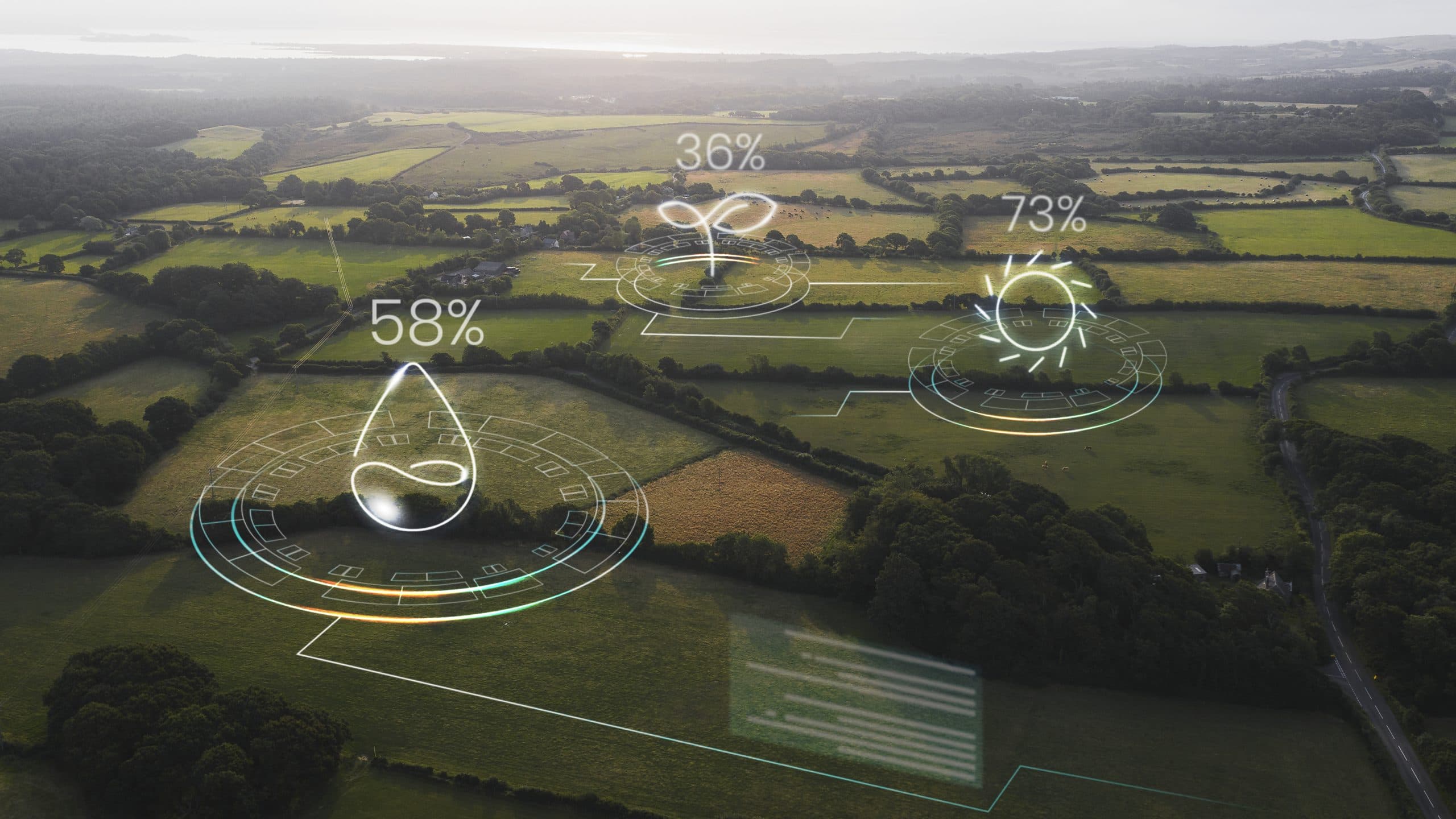
This article explores how precision agriculture uses data to improve farm decision-making, the technologies involved, real-world applications, and how producers can start implementing data-driven farming systems today.
What Is Precision Agriculture?
Precision agriculture, also known as precision farming, is a management approach that uses data, technology, and analytics to observe, measure, and respond to variability in crops and fields. Instead of applying the same treatment across an entire farm, precision agriculture allows for site-specific management.
The goal is simple: apply the right input, at the right rate, at the right time, and in the right place.
Precision agriculture systems rely on multiple data sources, including:
- GPS-guided machinery
- Soil sensors and probes
- Satellite and drone imagery
- Weather stations
- Yield monitors
- Farm management software
The Role of Data Analytics in Precision Farming
Raw data alone does not improve farm performance. The real value comes from agricultural data analytics—the process of collecting, cleaning, analyzing, and interpreting farm data to support better decisions.
Precision agriculture data analytics transforms complex datasets into actionable insights, helping farmers answer critical questions such as:
- Which areas of my field are underperforming?
- How can I reduce fertilizer waste without lowering yields?
- When is the optimal time to irrigate or harvest?
- What crop varieties perform best in specific soil zones?
Key Types of Data Used in Precision Agriculture
1. Soil Data
Soil data is the foundation of precision agriculture. Sensors and soil sampling provide detailed information on:
- Nutrient levels
- Soil moisture
- pH balance
- Organic matter
- Soil compaction
With this data, farmers can create variable-rate fertilizer and lime application maps, reducing costs and improving soil health.
2. Weather and Climate Data
Accurate weather data is essential for data-driven farming. Local weather stations and predictive models help farmers plan irrigation, spraying, and harvesting activities.
Precision agriculture analytics can combine historical climate data with real-time forecasts to reduce weather-related risks.
3. Crop and Yield Data
Yield monitors collect performance data during harvest, revealing spatial variability across fields. When analyzed over multiple seasons, yield data helps identify:
- Consistently low-yield zones
- High-performing soil areas
- Effects of management practices
This information supports long-term planning and crop rotation strategies.
4. Remote Sensing and Imagery
Satellite and drone imagery provide a bird’s-eye view of crop health using vegetation indices such as NDVI. These images allow farmers to detect:
- Early signs of pest or disease pressure
- Nutrient deficiencies
- Water stress
- Uneven crop emergence
How Precision Agriculture Improves Farm Decisions
Optimized Input Management
One of the biggest advantages of precision agriculture data analytics is optimized input use. Variable-rate technology ensures seeds, fertilizers, and chemicals are applied only where needed.
This leads to:
- Lower input costs
- Improved crop uniformity
- Reduced environmental impact
Improved Irrigation Efficiency
Data-driven irrigation systems use soil moisture sensors and weather data to apply water precisely when and where crops need it. This reduces water waste while maintaining optimal crop growth.
Better Risk Management
By analyzing historical yield, weather, and market data, farmers can make more informed decisions about planting dates, crop selection, and insurance coverage.
Precision farming technology reduces uncertainty and increases resilience against climate variability.
Higher Yields and Profitability
When farm decisions are guided by accurate data rather than assumptions, productivity improves. Over time, precision agriculture systems help maximize yield potential while controlling costs.
Farm Management Software and Decision Support Systems
Modern precision agriculture relies heavily on farm data management platforms and agricultural decision support systems. These tools integrate data from multiple sources into a single dashboard.
Key features often include:
- Field mapping and zone management
- Input tracking and cost analysis
- Yield comparison reports
- Compliance and sustainability reporting
For agribusinesses and large-scale operations, these platforms support strategic planning and long-term profitability.
Challenges in Implementing Precision Agriculture
Despite its benefits, adopting precision agriculture data analytics comes with challenges.
Data Overload
Collecting data is easy; interpreting it correctly is not. Without proper analytics tools or training, farmers may struggle to turn data into actionable insights.
Upfront Investment Costs
Precision farming technology requires an initial investment in sensors, software, and equipment. However, most operations see a return on investment through reduced input costs and improved yields.
Connectivity and Integration Issues
Rural connectivity and compatibility between different systems can limit data integration. Choosing platforms that support open data standards helps reduce these barriers.
Precision Agriculture and Sustainability
Beyond profitability, precision agriculture plays a key role in sustainable farming. Data-driven decisions reduce overapplication of fertilizers and chemicals, protect soil health, and conserve water.
As sustainability reporting and environmental regulations increase, precision agriculture data analytics provides measurable proof of responsible land management.
Future Trends in Precision Agriculture Data Analytics
The future of precision farming is increasingly data-centric. Emerging trends include:
- Artificial intelligence and machine learning for yield prediction
- Autonomous machinery guided by real-time data
- Advanced predictive analytics for climate adaptation
- Integration of carbon tracking and sustainability metrics
As technology advances, data-driven farming will become more accessible to small and mid-sized operations.
Conclusion: Turning Farm Data into Better Decisions
Precision agriculture data analytics is transforming how farms operate. By leveraging data from soil, weather, crops, and equipment, farmers can make smarter decisions that increase productivity, reduce risk, and support sustainability.
In an increasingly competitive and climate-sensitive agricultural landscape, data is no longer optional it is a critical asset. Farms that invest in precision agriculture today are better positioned for long-term success.
Found this article helpful?
Explore more insights and tips on our blog