fertilizer
Seasonal Crop Care Guide for UAE Farmers (Year-Round Desert Farming Guide)

Mustashar Team
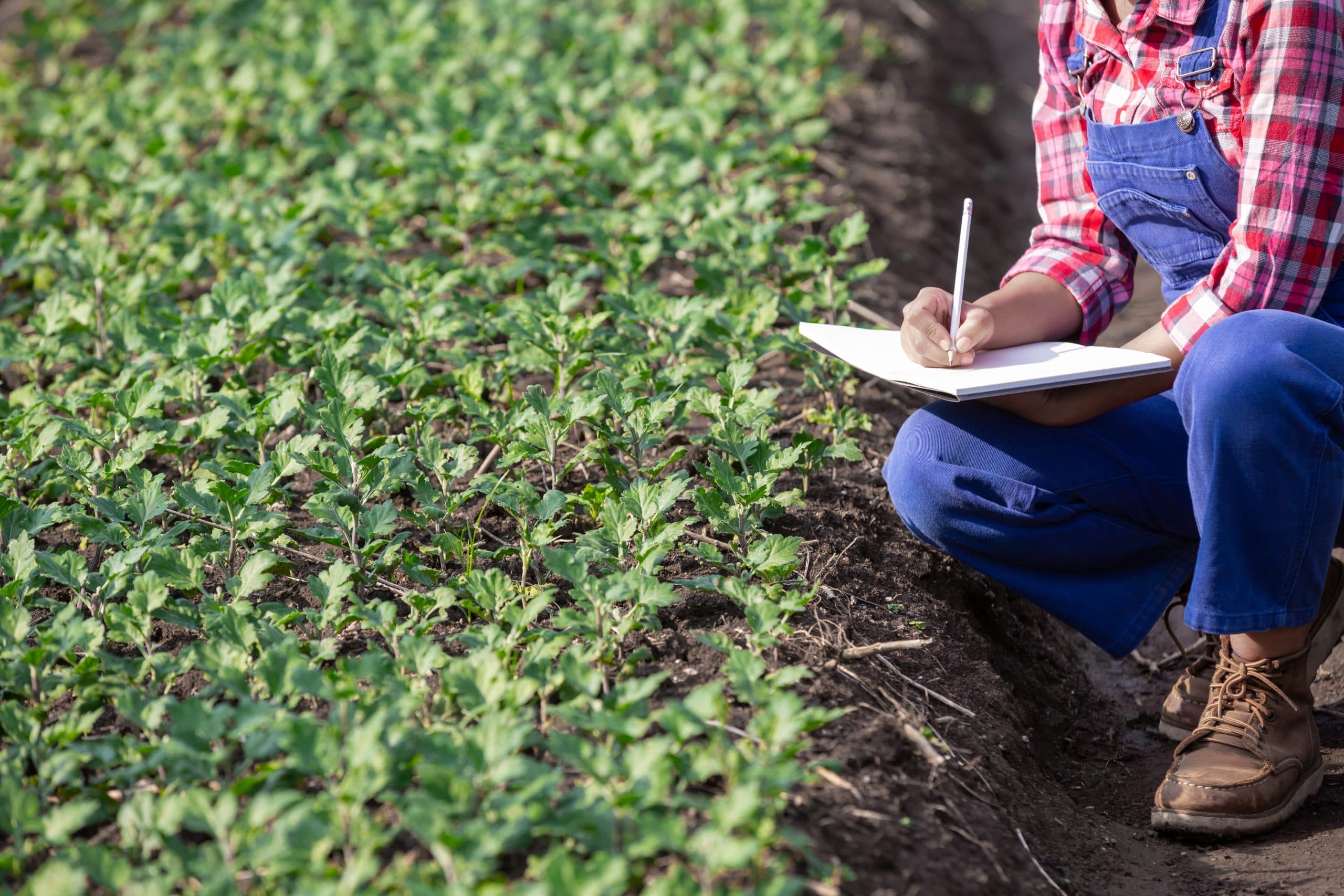
This guide provides a clear, season-by-season crop care plan for UAE farmers, optimized for desert agriculture, water efficiency, and modern farming techniques.
What Is the Best Farming Season in the UAE?
The best farming season in the UAE is winter (November to March), when temperatures range between 15°C and 28°C. These conditions support healthy crop growth, lower water evaporation, and reduced pest pressure.
UAE farming seasons are divided into:
- Winter (Nov–Mar): Peak vegetable production
- Summer (May–Sep): Heat-tolerant and protected crops
- Transition Months (Apr & Oct): Soil preparation and crop rotation
Winter Crop Care Guide for UAE Farmers (November to March)
Winter crop care in the UAE focuses on soil enrichment, efficient irrigation, and pest monitoring. This season offers the highest return on investment for open field farming.
Best Winter Crops to Grow in the UAE
- Tomatoes
- Cucumbers
- Lettuce and spinach
- Carrots and radishes
- Cabbage and cauliflower
- Onions and garlic
Winter Crop Care Checklist
- Improve sandy soil with compost and organic matter
- Use drip irrigation to reduce water loss
- Apply balanced NPK fertilizer with micronutrients
- Monitor aphids, whiteflies, and leaf miners weekly
Pro Tip: Water crops early morning to maximize moisture absorption and prevent fungal diseases.
How Should UAE Farmers Prepare Crops in Spring?
Spring crop care in the UAE is about preparation, not production. Rising temperatures in April require farmers to harvest early and protect soil health.
Spring Farming Tasks in the UAE
- Harvest remaining winter vegetables
- Remove crop residues to prevent disease buildup
- Conduct soil nutrient and salinity tests
- Install shade nets and greenhouse cooling systems
Spring is the ideal time to apply green manure and cover crops to rebuild soil fertility naturally.
Summer Crop Care Guide for UAE Farmers (May to September)
Summer farming in the UAE requires heat protection, water efficiency, and salinity control. Without proper measures, crops suffer from heat stress and yield loss.
Best Summer Crops for the UAE Climate
- Okra
- Eggplant
- Sweet potatoes
- Watermelon and cantaloupe
- Date palms (perennial)
Essential Summer Crop Care Practices
- Install 30–50% shade nets to reduce sun damage
- Increase irrigation frequency with smaller volumes
- Apply organic or plastic mulch to retain moisture
- Use evaporative cooling in greenhouses
Important: High evaporation increases soil salinity. Flush soil periodically with low-salinity water.
Seasonal Date Palm Care Guide in the UAE
Date palm farming in the UAE requires year-round seasonal management to maintain fruit quality and prevent pest infestations.
Winter Date Palm Care
- Prune dead fronds
- Apply organic fertilizers
- Inspect for red palm weevil
Spring Date Palm Care
- Hand pollination during flowering
- Apply potassium-rich fertilizers
Summer Date Palm Care
- Support heavy fruit bunches
- Ensure deep irrigation
Autumn Date Palm Care
- Harvest dates carefully
- Prepare trees for next cycle
What Crops Should Be Planted in Autumn in the UAE?
Autumn (October) is the best time to prepare the soil and plant winter crops in the UAE. Proper soil recovery ensures higher yields during peak season.
Autumn Crop Care Checklist
- Deep plowing and soil aeration
- Apply compost and organic manure
- Install drip irrigation systems
- Test soil pH and electrical conductivity
Best Water Management Practices for UAE Farmers
Efficient water management is essential for sustainable farming in the UAE. Smart irrigation reduces costs and improves crop health.
- Use drip irrigation instead of flood irrigation
- Install soil moisture sensors
- Reuse treated wastewater where approved
- Adjust irrigation based on crop growth stages
Common Crop Diseases in UAE Farming and How to Prevent Them
Preventing crop diseases is more effective than treatment. Most plant diseases in the UAE are caused by overwatering and poor airflow.
Common Crop Problems
- Powdery mildew
- Root rot
- Leaf spot diseases
Use disease-resistant seeds, proper spacing, and crop rotation to minimize outbreaks.
How Can UAE Farmers Practice Sustainable Agriculture?
Sustainable farming in the UAE focuses on conserving water, improving soil health, and reducing chemical inputs.
- Use compost and biofertilizers
- Encourage beneficial insects
- Adopt hydroponics and aquaponics
- Reduce synthetic pesticide use
Frequently Asked Questions (Featured Snippet Target)
Can farming be profitable in the UAE?
Yes, farming can be profitable in the UAE when farmers use seasonal planning, drip irrigation, greenhouse technology, and high-demand crops such as vegetables and dates.
What is the most water-efficient crop in the UAE?
Date palms, okra, and native forage crops are among the most water-efficient crops for UAE conditions.
Conclusion: How UAE Farmers Can Achieve Year-Round Success
Successful farming in the UAE depends on seasonal crop care, climate-smart practices, and efficient water use. By aligning planting schedules with climate conditions and adopting modern irrigation and soil management techniques, UAE farmers can increase yields while conserving natural resources.
This seasonal crop care guide provides a reliable framework for sustainable, profitable agriculture in desert environments.
Found this article helpful?
Explore more insights and tips on our blog