fertilizer
Smart Irrigation Systems for Agriculture: Techniques to Reduce Water Waste and Improve Crop Yield

Mustashar Team
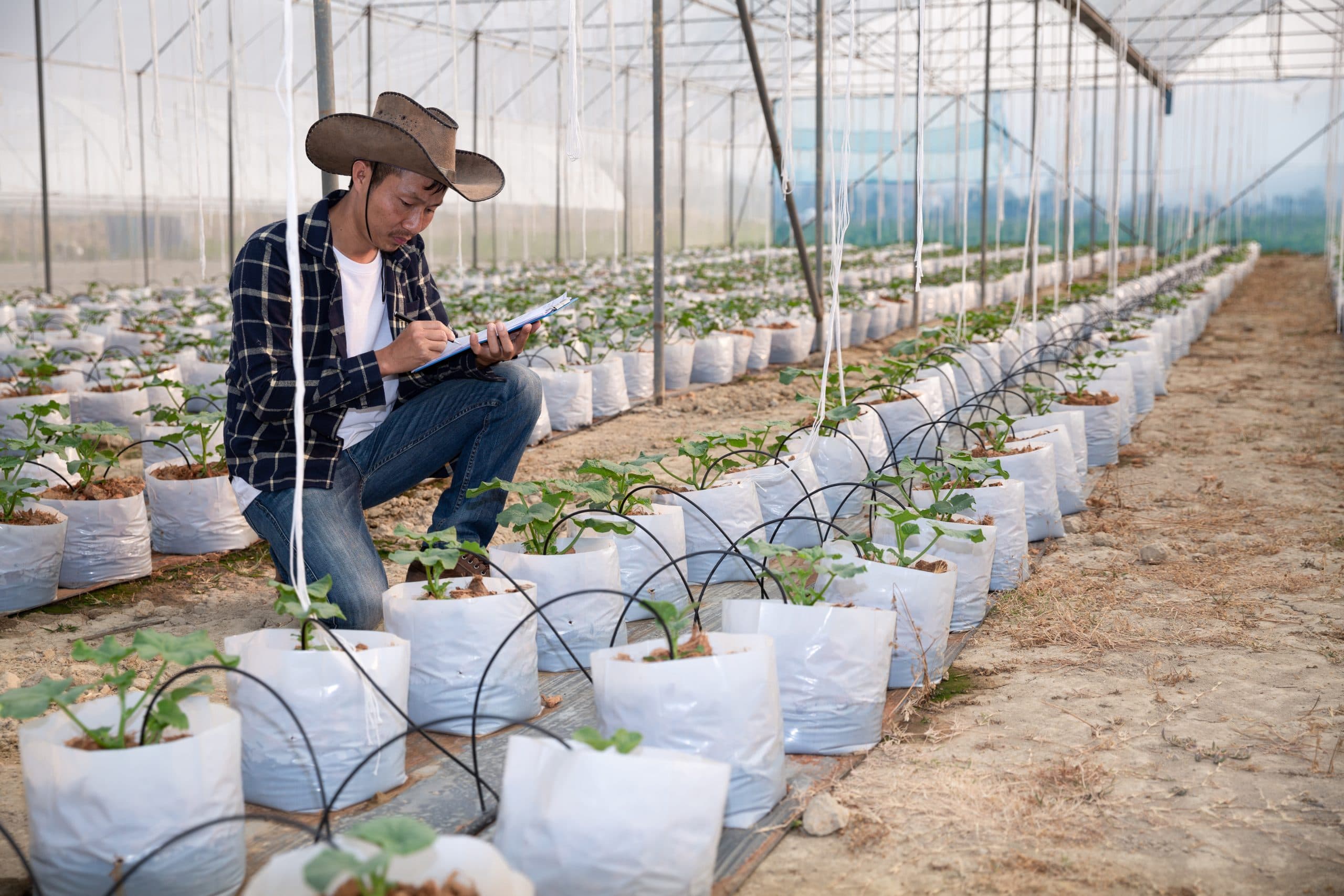
By combining data-driven technology with precision irrigation techniques, smart irrigation helps reduce water waste, lower operational costs, and improve crop productivity. This article explores modern smart irrigation techniques, how they work, and why they are becoming essential for sustainable agriculture.
What Is Smart Irrigation in Agriculture?
Smart irrigation refers to the use of advanced technologies such as sensors, weather data, automation, and IoT-based controllers to deliver water precisely when and where crops need it. Unlike conventional irrigation systems that operate on fixed schedules, smart irrigation systems adjust watering based on real-time environmental and soil conditions.
In agriculture, this approach ensures optimal soil moisture levels, minimizes over-irrigation, and significantly reduces water waste. Smart irrigation is widely used in precision farming, commercial agriculture, greenhouses, research farms, and high-value crop production.
Why Reducing Water Waste in Agriculture Is Critical
Agriculture accounts for nearly 70% of global freshwater withdrawals. Inefficient irrigation practices not only deplete water resources but also cause soil degradation, nutrient leaching, and increased energy costs. Reducing water waste through smart irrigation techniques delivers multiple benefits:
- Conserves freshwater resources
- Improves crop health and yield consistency
- Reduces fertilizer runoff and soil erosion
- Lowers pumping and energy expenses
- Supports long-term agricultural sustainability
Key Smart Irrigation Techniques Used in Modern Agriculture
1. Soil Moisture Sensor-Based Irrigation
Soil moisture sensors measure the actual water content in the soil root zone. These sensors send real-time data to a smart irrigation controller, which determines whether irrigation is necessary.
This technique prevents unnecessary watering and ensures crops receive water only when soil moisture falls below optimal levels. It is especially effective for row crops, orchards, vineyards, and greenhouse farming.
2. Weather-Based (ET) Smart Irrigation Controllers
Weather-based smart irrigation systems, also known as evapotranspiration (ET) controllers, adjust irrigation schedules using weather data such as temperature, humidity, rainfall, wind speed, and solar radiation.
By calculating how much water crops lose through evaporation and transpiration, these systems apply precise amounts of water, significantly reducing waste caused by fixed-timer irrigation systems.
3. Drip Irrigation Integrated with Smart Controls
Drip irrigation delivers water directly to the plant root zone through low-pressure emitters. When combined with smart irrigation controllers and sensors, drip systems become one of the most water-efficient irrigation techniques available.
Smart drip irrigation is ideal for:
- Vegetable farming
- Fruit orchards
- Greenhouses and polyhouses
- Water-scarce regions
4. IoT-Based Smart Irrigation Systems
Internet of Things (IoT) irrigation systems connect sensors, valves, pumps, and controllers through cloud-based platforms. Farmers can monitor and control irrigation remotely using mobile apps or web dashboards.
IoT-enabled smart irrigation systems for agriculture provide detailed analytics, irrigation history, alerts for leaks or system failures, and predictive recommendations, making water management smarter and more proactive.
5. Variable Rate Irrigation (VRI)
Variable Rate Irrigation allows farmers to apply different amounts of water to different areas of a field based on soil type, crop needs, and topography. Using GPS mapping and sensor data, VRI systems reduce water waste caused by uniform irrigation across variable landscapes.
This technique is widely adopted in large-scale commercial farming and research-driven agricultural operations.
How Smart Irrigation Reduces Water Waste
Smart irrigation techniques reduce water waste by addressing the key inefficiencies of traditional irrigation systems:
- Eliminates overwatering by using real-time data
- Prevents irrigation during rainfall or high humidity
- Reduces evaporation losses through precise timing
- Targets root zones instead of flooding entire fields
- Detects leaks and system malfunctions early
Studies show that smart irrigation systems can reduce agricultural water usage by 20% to 50% without compromising crop yield.
Economic Benefits of Smart Irrigation Systems for Farmers
Although smart irrigation systems require an initial investment, the long-term financial benefits make them highly cost-effective for agricultural operations.
Key economic advantages include:
- Lower water bills and pumping costs
- Reduced energy consumption
- Improved fertilizer efficiency
- Higher and more consistent crop yields
- Reduced labor costs through automation
For high-value crops, the return on investment (ROI) from smart irrigation adoption is often achieved within one to three growing seasons.
Smart Irrigation and Sustainable Agriculture
Sustainability is a growing priority in modern agriculture. Smart irrigation systems support sustainable farming practices by conserving water, reducing environmental impact, and improving soil health.
By applying water only when needed, smart irrigation minimizes nutrient leaching and reduces the risk of salinization, two major threats to long-term soil productivity.
Use Cases: Where Smart Irrigation Works Best
Commercial Agriculture
Large-scale farms benefit from precision irrigation, IoT integration, and variable rate irrigation systems to manage diverse crops efficiently.
Greenhouses and Controlled Environments
Smart irrigation ensures optimal moisture levels, leading to faster growth cycles and improved crop quality.
Research and Academic Institutions
Universities and agricultural research centers use smart irrigation to study crop-water relationships and develop sustainable farming models.
Advanced Gardening and Landscaping
Professional gardeners and landscapers use smart irrigation controllers to maintain plant health while minimizing water use.
How to Choose the Right Smart Irrigation System
When selecting a smart irrigation system for agriculture, consider the following factors:
- Crop type and root depth
- Field size and soil variability
- Local climate conditions
- Availability of technical support
- Integration with existing irrigation infrastructure
Choosing scalable and sensor-compatible systems ensures long-term adaptability as farm needs evolve.
Future Trends in Smart Irrigation Technology
The future of smart irrigation lies in artificial intelligence, machine learning, and predictive analytics. Advanced systems will forecast crop water needs, integrate satellite imagery, and provide automated decision-making for farmers.
As water regulations tighten and climate variability increases, smart irrigation systems for agriculture will become a standard practice rather than an optional upgrade.
Conclusion
Smart irrigation techniques represent a critical shift toward efficient, data-driven water management in agriculture. By reducing water waste, improving crop performance, and supporting sustainability goals, smart irrigation systems offer both environmental and economic advantages.
For farmers, gardeners, and agricultural institutions seeking long-term productivity and responsible resource use, investing in smart irrigation systems is no longer just a smart choice; it is a necessary one.
Found this article helpful?
Explore more insights and tips on our blog