fertilizer
Use of Soil Conditioners for Improving Crop Yield and Soil Health

Mustashar Team
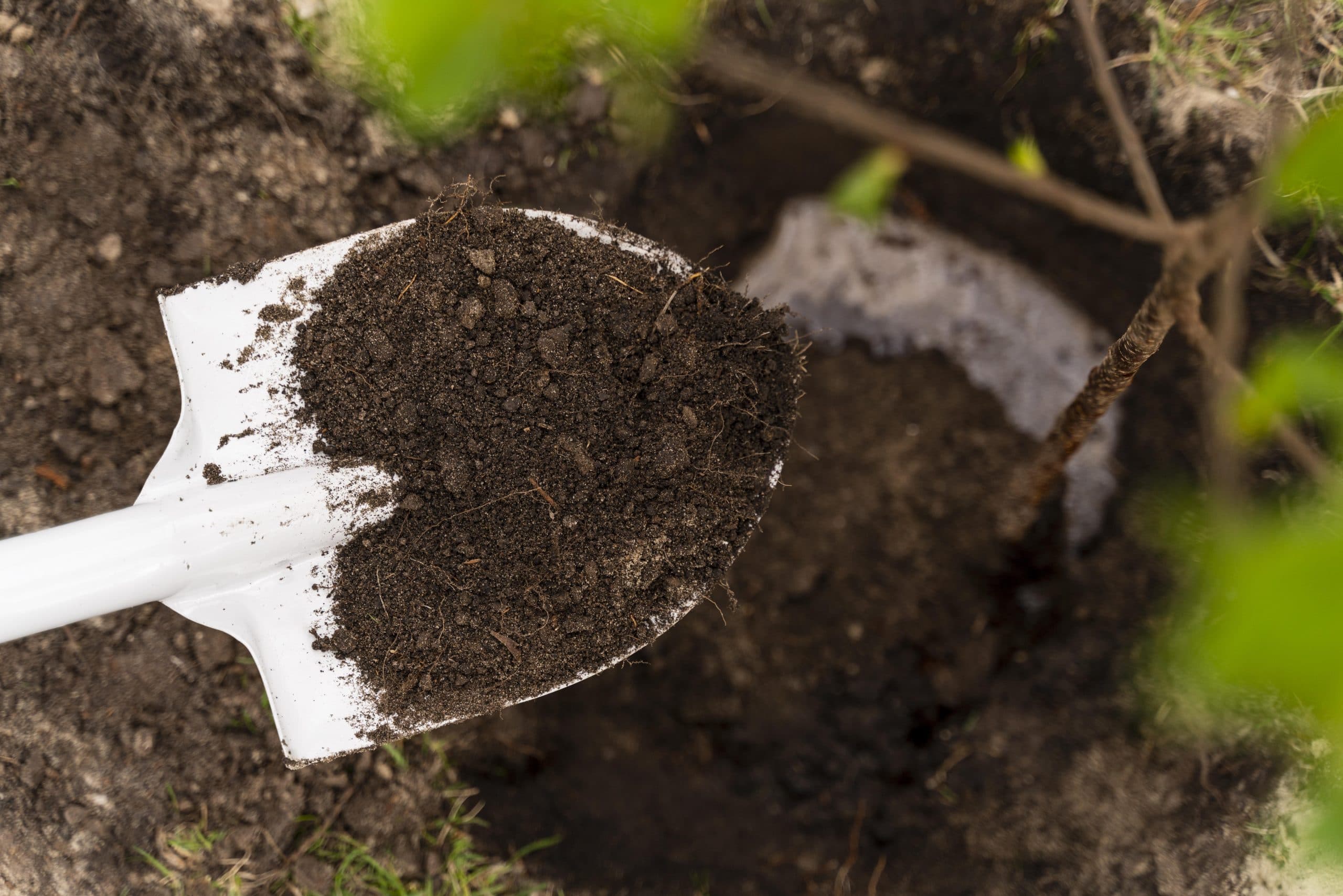
Soil conditioners play a critical role in improving soil structure, nutrient availability, and biological activity. When used correctly, they can significantly enhance crop performance across a wide range of soil types and climatic conditions.
What Are Soil Conditioners?
Soil conditioners are materials added to soil to improve its physical properties, such as structure, porosity, water-holding capacity, and aeration. Unlike fertilizers, which primarily supply nutrients, soil conditioners focus on creating an optimal soil environment that allows crops to absorb nutrients more efficiently.
They are commonly used in agriculture, horticulture, landscaping, and organic farming systems to correct soil problems that limit plant growth.
Why Soil Conditioners Are Essential for Modern Agriculture
Intensive farming practices, excessive tillage, and chemical overuse have led to compacted soils, reduced organic matter, and poor microbial activity. These conditions restrict root growth and reduce nutrient uptake, directly impacting crop yield.
The strategic use of soil conditioners helps address these issues by:
- Improving soil structure and aggregation
- Enhancing water infiltration and retention
- Reducing soil compaction
- Increasing microbial activity
- Improving nutrient use efficiency
Types of Soil Conditioners Used in Agriculture
Organic Soil Conditioners
Organic soil conditioners are derived from natural sources and are widely used in sustainable and organic farming systems. They contribute to long-term soil health by increasing organic matter content.
- Compost: Improves soil fertility, microbial diversity, and moisture retention.
- Farmyard manure: Enhances soil structure and provides slow-release nutrients.
- Vermicompost: Rich in beneficial microorganisms and plant growth promoters.
- Biochar: Improves cation exchange capacity and water retention.
Inorganic and Synthetic Soil Conditioners
Inorganic soil conditioners are primarily used to correct specific physical or chemical limitations in soil.
- Gypsum: Effective in reclaiming sodic soils and improving soil aggregation.
- Lime: Used to correct acidic soils and improve nutrient availability.
- Polymer-based conditioners: Enhance water-holding capacity in sandy soils.
How Soil Conditioners Improve Crop Performance
Improved Root Development
Healthy root systems are essential for nutrient and water uptake. Soil conditioners reduce compaction and improve aeration, allowing roots to grow deeper and spread more efficiently. This results in stronger plants with better stress tolerance.
Enhanced Water Management
One of the key benefits of soil conditioners is improved water retention and drainage. In sandy soils, conditioners help retain moisture, while in clay soils, they improve drainage and reduce waterlogging. This balanced moisture availability leads to consistent crop growth.
Increased Nutrient Availability
Soil conditioners enhance nutrient availability by improving soil cation exchange capacity and supporting beneficial microorganisms. This leads to more efficient nutrient uptake and reduced fertilizer losses.
Boosted Microbial Activity
Organic soil conditioners provide food for soil microorganisms, which play a vital role in nutrient cycling and disease suppression. A biologically active soil promotes healthier crops and improves resilience against pests and diseases.
Use of Soil Conditioners in Different Soil Types
Clay Soils
Clay soils often suffer from compaction and poor drainage. Organic soil conditioners such as compost and gypsum help improve soil structure, increase pore space, and enhance root penetration.
Sandy Soils
Sandy soils drain quickly and have low nutrient-holding capacity. The addition of organic matter and polymer-based conditioners helps improve water retention and nutrient availability.
Saline and Sodic Soils
Gypsum is commonly used to reclaim sodic soils by replacing sodium ions with calcium, thereby improving soil aggregation and permeability.
Best Practices for Applying Soil Conditioners
To maximize the benefits of soil conditioners, proper application is essential:
- Conduct soil testing to identify specific soil problems
- Select the appropriate soil conditioner based on soil type and crop
- Apply at recommended rates to avoid nutrient imbalances
- Incorporate conditioners evenly into the soil
- Combine with good agronomic practices such as crop rotation and mulching
Economic Benefits of Using Soil Conditioners
Although soil conditioners may involve an initial investment, their long-term economic benefits are substantial. Improved soil health leads to higher crop yields, reduced input costs, and better resource use efficiency.
Farmers using soil conditioners often experience:
- Higher yield stability
- Reduced fertilizer and irrigation costs
- Improved crop quality
- Enhanced soil productivity over time
Soil Conditioners and Sustainable Agriculture
The use of soil conditioners aligns well with sustainable agriculture practices. By improving soil structure and biological activity, they reduce dependency on chemical inputs and promote environmentally friendly farming systems.
Soil conditioners also contribute to carbon sequestration by increasing soil organic matter, helping mitigate climate change impacts.
Choosing the Best Soil Conditioner for Your Crops
Selecting the right soil conditioner depends on several factors, including soil type, crop requirements, climate, and management practices. Farmers and growers should consider both immediate benefits and long-term soil health when making decisions.
Consulting with soil scientists or agronomists can help identify the most effective soil conditioners for specific cropping systems.
Conclusion
The use of soil conditioners for improving crop yield is a proven and practical approach to enhancing soil health and agricultural productivity. By improving soil structure, water management, and nutrient availability, soil conditioners create an optimal environment for crop growth.
As agriculture moves toward more sustainable and efficient production systems, soil conditioners will continue to play a vital role in improving crop performance and ensuring long-term soil fertility.
Found this article helpful?
Explore more insights and tips on our blog